Investigate comprehensive tree service solutions for a healthier landscape.
Thorough tree service programs play a vital role in maintaining a vibrant landscape. Good tree care not only enhances aesthetic appeal but also contributes to environmental stability. Knowing about the various services provided can help property owners choose effectively. Yet, many may fail to recognize the lasting benefits that specialized full details tree care delivers. This discussion will look at essential aspects of tree services and their impact on landscape health. This perspective may shift how one looks at their outdoor space significantly.
Recognizing the Significance of Tree Care
Tree care is necessary for maintaining the vitality and lifespan of trees, as it directly impacts the surrounding ecosystem and increases property value. Good tree care includes a range of methods, including pruning, watering, and checking for pests and diseases. Healthy trees aid in improved air quality, cast shadows, and support biodiversity by providing habitats for various species. Additionally, healthy trees can significantly boost property appeal, attracting potential buyers and raising market value.
Ignoring tree care can lead to compromised integrity, making them prone to disease and environmental challenges. This can result in hazardous conditions, such as falling branches or uprooted trees, posing risks to people and property. In addition, the aesthetic value of landscapes diminishes when trees are not properly cared for. In the end, recognizing the importance of tree care is essential to ensuring not only the life of the trees themselves but also the well-being of the broader environment.
Typical Tree Services and Their Value
Standard tree services, such as pruning and trimming, play an vital role in maintaining the look and vitality of trees. In some cases, tree removal may become required for safety reasons or to prevent disease spread. Knowing about these services can help property owners decide wisely for their landscapes.
Pruning and Trimming Techniques
While keeping up the look and well-being of a landscape, pruning and trimming techniques are crucial elements in tree care. These practices involve taking off particular branches to improve the tree's form, promote healthy growth, and increase light penetration and air flow. Routine pruning assists in avoiding diseases and pest infestations by removing unhealthy or dead limbs. Trimming, on the other hand, centers on sculpting the tree and controlling its dimensions, ensuring it does not obstruct pathways or structures. Effective pruning and trimming can enhance the amount of fruit in fruit-bearing trees and enhance flowering in ornamental varieties. Using these methods not only improves the look of the landscape but also supports the long-term health of the trees within it.
Tree Removal Necessities

Taking down a tree is sometimes unavoidable for those who own or manage property, especially when safety, health, or aesthetics are at stake. Trees that are dead, diseased, or structurally compromised can present serious dangers, such as falling branches or complete collapse. Additionally, overgrown trees may shade the area excessively or complicate gardening projects. Expert tree removal companies guarantee that these trees are safely and efficiently taken down, reducing possible dangers. Furthermore, these services often offer stump grinding, which prevents tripping hazards and opens up possibilities for future planting. In the end, timely tree removal not only improves the general look of a property but also fosters a more robust environment by promoting the development of adjacent flora.
The Importance of Trimming and Pruning Trees
Effective tree pruning and trimming are vitally important in upholding the look and well-being of trees. This practice involves selectively removing branches to boost air flow, light penetration, and the tree's general form. By removing unhealthy or dead branches, pruning helps prevent the spread of potential issues, making sure the tree stays strong and lively.
Routine trimming doesn't just boost the tree's aesthetics but also encourages new growth, contouring the crown for maximum appeal. It is vital for safety as well; excessively long limbs can create dangers to structures and those nearby.
Additionally, pruning done correctly may increase the longevity of a tree, enabling it to flourish in its surroundings. Homeowners and landscapers alike gain from knowing the significance of this practice, as it promotes a healthier environment and aids in the general ecological stability of the area. In summary, tree pruning and trimming are key aspects of effective tree care.
Managing Pest Infestations and Diseases
Good tree stewardship demands understanding of frequent diseases and pests that can threaten tree health. Spotting these issues quickly is essential for implementing appropriate prevention strategies. We will examine techniques for identifying pest problems and curbing disease transmission in trees.
Spotting Frequent Pests
While maintaining the health of trees, it is essential to identify common pests that can lead to infestations and diseases. A variety of insects, such as bark beetles, spider mites, and aphids, are capable of substantial injury if not controlled (Stillwater Tree Service). Signs of infestation may include leaves changing color, wilting branches, or visible insects on the tree. Moreover, pests like the gypsy moth and emerald ash borer can severely impact tree health and longevity. Fungus-related illnesses, frequently worsened by pest action, may manifest as leaf spots or abnormal growths. Frequent examinations are essential for early detection, allowing for timely interventions. With knowledge of these typical pests, homeowners and landscapers can better protect their trees and foster a generally healthier landscape
Disease Prevention Strategies
For maximum tree health and lifespan, implementing disease prevention strategies is vital when dealing with both pest infestations and disease management. Frequent examinations facilitate the swift discovery of diseases and pests, enabling timely interventions. IPM techniques (Integrated Pest Management), such as encouraging natural enemies and utilizing non-chemical solutions, help minimize pest populations while cutting back on chemical applications. Furthermore, maintaining proper tree care practices—such as adequate watering, mulching, and pruning—strengthens trees, reducing their vulnerability to diseases. Advising homeowners concerning seasonal risks and surrounding conditions that affect tree health is critical. By fostering a proactive approach, neighborhoods can improve the sturdiness of their landscapes against pests and diseases, securing flourishing trees for those who follow.
Improving the Look of Your Landscape With Expert Assistance
When homeowners seek to elevate the beauty of their outdoor spaces, professional tree services are fundamental in enhancing landscape aesthetics. Skilled arborists deliver skill in tree maintenance, pruning, and shaping, which not only encourage vigorous development but also enhance the look of trees. By eliminating dead or overly long branches, specialists help establish a more balanced and visually appealing landscape.
Moreover, tree specialists can assist in selecting the right species and positioning of trees to match current plant life, guaranteeing balance within the landscape. Periodic maintenance work also help create a neat appearance, removing debris and making features more noticeable of important components.
Additionally, healthy, tended trees can act as central features, directing the eye toward gardens and outdoor living spaces. Through these detailed services, clients can attain a vibrant and inviting environment, mirroring their unique preferences while ensuring the longevity of their landscape investments.
Choosing the Right Tree Service Provider for Your Needs
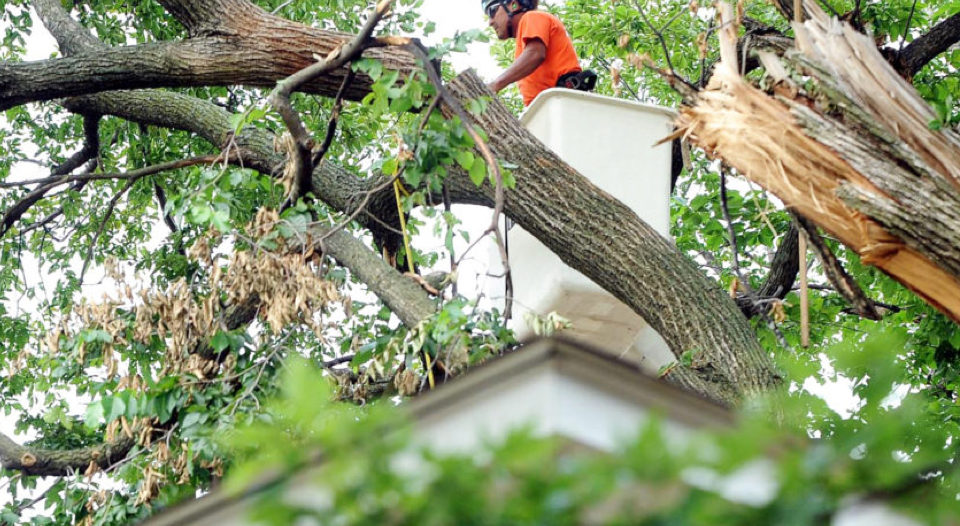
How do clients make sure they select the best tree care company for their unique situation? To begin, homeowners must look into local companies, checking their certifications, experience, and testimonials. A trustworthy company typically possesses certifications and insurance, ensuring compliance with industry regulations and are covered against potential risks.
Afterward, clients must obtain quotes from several companies, reviewing the scope of services and fee schedules. This helps to identify those who provide quality service without compromising quality. It is crucial to ask about the types of tree services provided, such as pruning, removal, or disease management, to confirm alignment with specific landscape needs.
Lastly, having a face-to-face discussion with prospective companies can reveal their communication style and professionalism. By taking these points into account, homeowners can confidently select a tree service provider that satisfies their needs and helps create a better environment.
Common Questions
At what intervals should you inspect trees for signs of disease?
Trees should be inspected at least every twelve months for health issues. Regular assessments help catch problems in their initial stages, allowing for quick treatment and improving tree strength, ultimately resulting in a more robust landscape.
When is the ideal period for planting new trees?
The optimal season for tree planting is most often in the beginning of spring or the end of the year. In these periods, temperatures are moderate, giving trees a chance to root before the intense summer warmth or the freezing winter temperatures.
Are tree service companies able to help with getting rid of stumps?
Yes, tree services can help with stump removal. They use specific machinery and techniques to completely get rid of the stumps, resulting in a tidier yard and stopping possible dangers, pests, or diseases associated with decaying tree remnants.
Do options exist for environmentally conscious Tree Care Options Available?
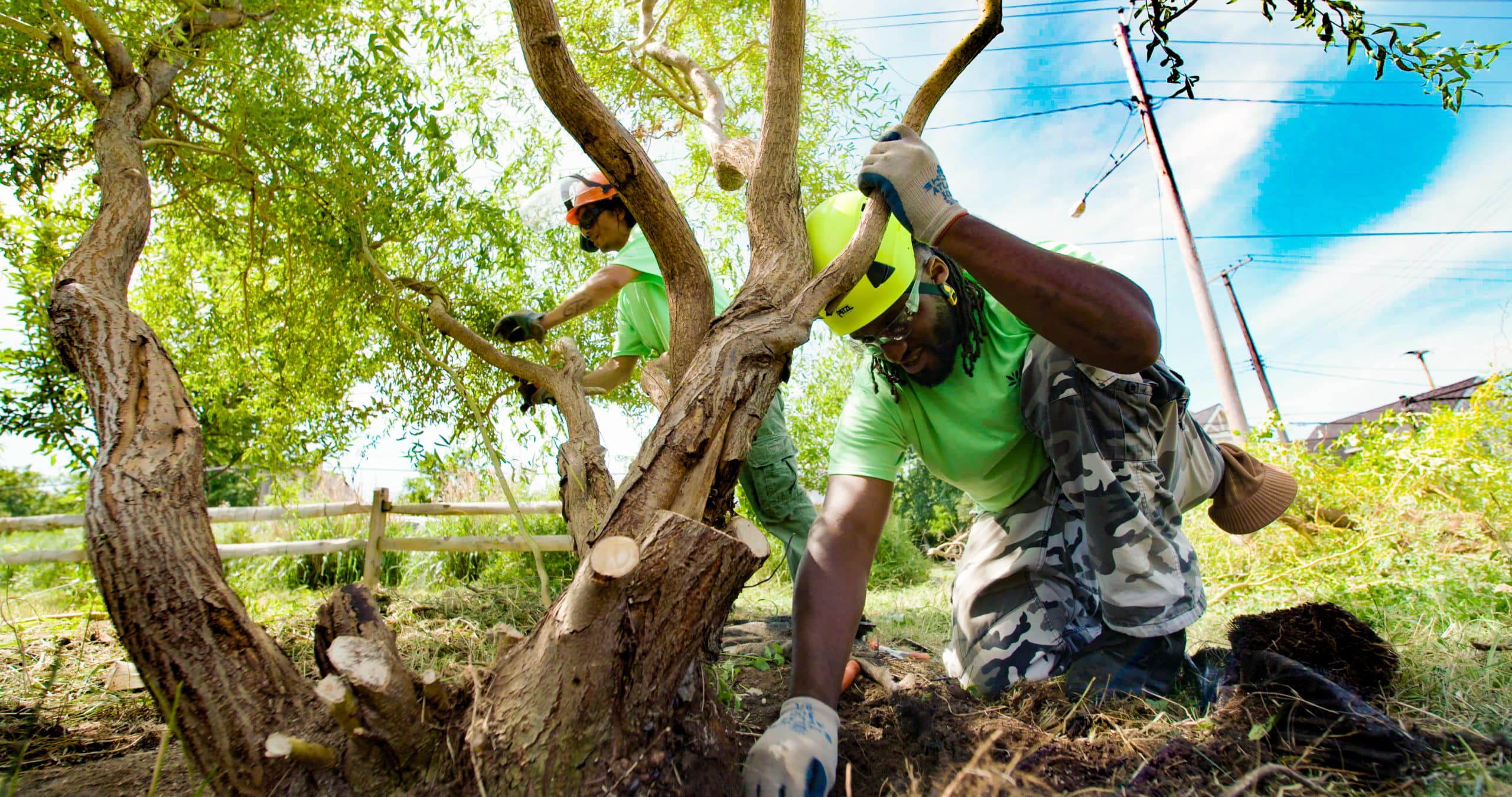
Sustainable tree maintenance methods include organic fertilizers, natural pest control, and eco-conscious trimming methods. This approach improves tree well-being while reducing harm to the environment, creating more robust ecosystems and lower amounts of synthetic products in landscaping and tree maintenance.
What is the best way to ready My Trees for Winter?
To ready your trees for the cold season, one should prune dead branches, add mulch around the trunk, water adequately before frost, and it's wise to wrap the tree trunks to protect against cold winds and sunscald, ensuring overall health and resilience. - Stillwater Tree Service